
officers

Dr. Roderic Pettigrew
President
Roderic Ivan Pettigrew, PhD, MD, is the Robert A. Welch Professor of Medicine at Texas A&M University, where he also served as the inaugural dean of the School of Engineering Medicine. At the request of the Chancellor of the statewide Texas A&M University System, he served as Vice Chancellor for Health & Strategic Initiatives for the TAMU System. Dr. Pettigrew previously led the US National Institute of Biomedical Imaging and Bioengineering (NIBIB) as its founding Director, from 2002 to 2017, where he significantly advanced medical technologies and secured high returns on research investments. He was recruited to the NIH based on his prior career as a pioneer in cardiovascular 4D MRI having helped develop some of the earliest technologies. Dr. Pettigrew led the creation of the Engineering Medicine (ENMED) program as the Executive Dean for ENMED and the CEO of EnHealth at Texas A&M. Subsequently with the creation of the new School of Engineering Medicine, he was appointed its Inaugural Dean. His focus with EnHealth and ENMED was to integrate engineering into medical education to create innovative physician-engineers, or Physicianeers, who simultaneously earn MD and Master of Engineering Innovation in Medicine degrees in four years. Notably, ENMED students are also required to invent a solution to a healthcare challenge. Dr. Pettigrew, an expert in health technologies and imaging, holds a PhD in Applied Radiation Physics from MIT and completed his medical training in Nuclear Medicine at UCSD. His work includes non-invasive cardiovascular imaging and research on coronary atheroma and strategies to expand diagnostic boundaries and prevention. He is an editor of the recent book Biomechanics of Coronary Atherosclerotic Plaque: From Model to Patient, the first comprehensive text on this topic. Elected memberships include the National Academy of Medicine, the National Academy of Engineering, the National Academy of Inventors, the American Academy of Arts and Sciences, and the National Academy of Sciences, India. Awards include the Pierre Galletti Award (highest honor) of the American Institute of Medical and Biological Engineering, the Inaugural Gold Medal of the Academy of Radiology Research, the Spirit of the Heart Award of the Association of Black Cardiologists, the Gold Medal of the Radiological Society of North America, the Arthur M. Bueche Award of the National Academy of Engineering, the Vannevar Bush Award (highest honor) of the US National Science Board, the 2023 Boston Globe’s STATUSList as one of the nation’s Ultimate Leaders in Life Sciences, and the 2024 American Heart Association Research Achievement Award.

Dr. Sherine Gabriel
Vice President
As EVP of ASU Health, Dr. Gabriel is responsible for the conception, design, and launch of novel, forward-looking health initiatives, alongside internal and external partners. Examples include the recently launched John Shufeldt School of Medicine & Medical Engineering, the School of Technology for Public Health, among others. Notable prior executive leadership positions include President, James A. Campbell Distinguished Professor at Rush University and Chief Academic Officer for the Rush University System for Health, Dean, Rutgers Robert Wood Johnson (RWJ) Medical School & CEO RWG Medical Group & Dean and William J. and Charles H. Mayo Endowed Professor, Mayo Clinic Alix School of Medicine. During her 26 years tenure at the Mayo Clinic, Dr. Gabriel held several major leadership roles including as member of the Mayo Clinic Executive Board (14 members overseeing operations of Mayo Clinic in Rochester and the Mayo Health System), as Medical Director for the Office for Strategic Alliances and Business Development (with oversight over all strategic alliances domestic and international) as Vice-Chair of Mayo-wide Research Committee, among others. At the national level, she has served on dozens of NIH review committees/study sections, as a member of the NIAMS Advisory Council, Chair of the FDA Drug Safety and Risk Management Committee, as a member of Board of Directors, Reagan-Udall Foundation for the FDA, and as a witness providing congressional testimony multiple times. She was appointed by the U.S. Government Accountability Office (GAO) to the inaugural cohort of PCORI and was elected the founding Chair of its Methodology Committee, where she led the development of national standards for comparative clinical effectiveness research. Following years of service to her professional organization, the American College of Rheumatology (the premier medical society representing more than 9,000 rheumatologists and health professionals dedicated to advancing autoimmune and musculoskeletal care nationwide), she was elected ACR President. Dr. Gabriel’s research, which has largely been NIH funded, focused on the risks, costs, determinants, and outcomes of rheumatic diseases, resulting in more than 300 peer-reviewed, original scientific publications, maintaining an H-index exceeding 116 with 101,130 total citations. Throughout her tenures at Mayo, Rutgers, Rush, and ASU, Dr. Gabriel led the design and execution of curricula prioritizing medical innovation, integrated healthcare delivery, medical engineering, entrepreneurship, and health humanities. Dr. Gabriel’s current focus centers on building modern, interdisciplinary training pathways that bridge medicine with engineering and advanced technology to improve health outcomes. Dr. Gabriel has received numerous research, education, and achievement awards throughout her career culminating in her election to the National Academy of Medicine and to the Association of American Physicians. She earned an MD (With Distinction) from the University of Saskatchewan and an MSc (Clinical Epidemiology) from McMaster University and received executive business/management training at the Wharton School and Kellogg School of Management. She completed an Internal Medicine Residency and a Rheumatology Fellowship at the Mayo Graduate School of Medicine. She is Board Certified by the American Board of Internal Medicine in both Internal Medicine and Rheumatology.

Dr. Raja Muthupillai
Treasurer
Dr. Muthupillai's research focuses on developing imaging methods to better understand human health. For three decades, Dr. Muthupillai, has made pioneering contributions in the field of medical imaging in academia, and industry. Dr. Muthupillai has published extensively and has numerous patents to his credit. He headed the imaging research program at Baylor St Luke's for two decades and he is currently the co-founder and Chief Technology Officer of Live Healthy Imaging.

Dr. Reed Omary
Vice President
Reed A. Omary, MD, MS, is Professor of Radiology and Biomedical Engineering at Vanderbilt University in Nashville, Tennessee. He is an interventional radiologist, NIH-funded scientist, educator, and former Chair of Radiology at Vanderbilt, where he led a department of more than 700 faculty, staff, and trainees from 2012 to 2023. He also chaired the Board of the Vanderbilt Medical Group, founded Vanderbilt’s PhD-to-MD Medical Innovators Development Program, and co-led strategic planning for Vanderbilt University Medical Center’s workforce of more than 30,000 professionals. His current work focuses on planetary health, sustainable healthcare, and the health impacts of AI infrastructure. In 2024, he founded Greenwell Project, a nonprofit dedicated to designing sustainable medicine together with patients. Dr. Omary speaks nationally and internationally on planetary health, sustainable healthcare, and emerging challenges in medicine.

Dr. Rashid Bashir
Secretary
Rashid Bashir is Professor of Bioengineering, the Grainger Distinguished Chair in Engineering, and is currently the 15th Dean of Grainger College of Engineering at the University of Illinois at Urbana-Champaign.
board of directors
Board members

Dr. James Antaki
Board Member
The majority of Prof. Antaki’s professional career has been devoted to development of blood-wetted medical devices. His research focuses on the methodology by which these devices are designed and used clinically. His group was one of the pioneers in physiological feedback control of implanted ventricular assist devices, and also developed one of the first decision support programs for identifying heart failure patients who could potentially recover with the acute mechanical circulatory assistance.

Dr. Regina Beets-Tan
Board Member
Professor Regina Beets-Tan, MD, PhD, is a radiologist and Executive Board Member of the Maastricht Radiation Oncology Institute. She works at the intersection of healthcare, science and policy. She is Professor of Radiology at Maastricht University, Adjunct Professor of Abdominal and Oncological Radiology at the University of Southern Denmark, and Scientific Director of the European Institute for Biomedical Imaging Research. She has held major leadership roles in radiology and oncology, including Chair of the Board of the European Society of Radiology, President of the European Society of Gastrointestinal and Abdominal Imaging, and President of the European Society of Oncologic Imaging. She has served on the EU Mission Board for Cancer and the Board of the European Cancer Organisation. She is the coordinator of COMPASS-AI, a European Commission flagship initiative to advance safe, effective and equitable AI in healthcare.

Dr. Emery Brown
Board Member
Edward Hood Professor of Medical Engineering and Computational Neuroscience at Massachusetts Institute of Technology and The Picower Institute for Learning and Memory; the Warren M. Zapol Professor of Anaesthesia at Harvard Medical School; and a practicing anesthesiologist at Massachusetts General Hospital.

Dr. Andre Churchwell
Board Member
Andre Churchwell, MD, is a Professor of Medicine in the Division of Cardiovascular Medicine, Department of Medicine, at Vanderbilt University Medical Center

Dr. Norbert Pelc
Board Member
Norbert Pelc is Professor of Radiology, Emeritus. His primary research interests are in the physics, engineering, and mathematics of diagnostic imaging and the development of applications of this imaging technology. His current work focuses on computed tomography, specifically in methods to improve the information content and image quality and to reduce the radiation dose from these examinations

Dr. David Vorp
Board Member
Dr. David Vorp is the Senior Associate Dean for Research & Facilities at the University of Pittsburgh Swanson School of Engineering and the John A. Swanson Professor of Bioengineering, with secondary appointments in the departments of Chemical & Petroleum Engineering and Mechanical Engineering & Materials Science in the Swanson School; the departments of Cardiothoracic Surgery and Surgery in the School of Medicine; the Clinical & Translational Sciences Institute; and is an affiliated faculty member with the Magee-Women’s Research Institute and the McGowan Institute for Regenerative Medicine. He also serves as a Director of the Center for Vascular Remodeling and Regeneration, the Co-Director of the Center for Medical Innovation, as well as the Director of the Vascular Bioengineering Laboratory.

Dr. Gang Bao
Board Member
Foyt Family Professor of Bioengineering; Professor of Chemistry and Materials Science & NanoEngineering; CPRIT Scholar in Cancer Research

Dr. Harvey Borovetz
Board Member
Dr. Harvey Borovetz is distinguished professor and former chair (2002-2013) in the Department of Bioengineering, Swanson School of Engineering at the University of Pittsburgh, a professor of Chemical and Petroleum Engineering, a professor in the Clinical and Translational Science Institute, University of Pittsburgh School of Medicine, a University Honors College Faculty Fellow and, the Robert L. Hardesty Professor in the Department of Surgery, University of Pittsburgh School of Medicine. Within the McGowan Institute for Regenerative Medicine, Dr. Borovetz held the position of Deputy Director of Artificial Organs and Medical Devices for more than 20-years.

Dr. John Cooke
Board Member
Dr. Cooke’s research focuses on restoration or stimulation of endothelial functions such as vasodilation and angiogenesis, using small molecules or stem cell therapies. Recent insights from the laboratory have clarified the role of innate immune signaling in nuclear reprogramming to pluripotency and therapeutic transdifferentiation for vascular disease.

Dr. Shu Chien
Board Member [Emeritus]
Research on how the forces of blood flow impact the cardiovascular system. His studies are leading to new understanding about the pathophysiological mechanisms of atherosclerosis and hypertension, and to the development of therapeutical approaches for cardiovascular disease.

Dr. Katy Rezvani
Board Member
Dr. Katy Rezvani, M.D., Ph.D., is a world-renowned physician-scientist serving as the Vice President and Head of the Institute for Cell Therapy Discovery & Innovation at the University of Texas MD Anderson Cancer Center. She is globally recognized as a pioneer in cancer immunotherapy, specifically for her groundbreaking work in developing "off-the-shelf" Chimeric Antigen Receptor (CAR) Natural Killer (NK) cell therapies derived from umbilical cord blood. Her translational research has successfully moved novel cellular treatments from bench to bedside, offering new avenues of hope for patients with refractory blood cancers and solid tumors
Honorary Board members

Dr. Jeffrey R. Balser
President and CEO of Vanderbilt
University Medical Center
As the medical center’s chief executive since 2009, Dr. Balser has led remarkable growth, expanding patient visits to 3.5 million per year from the Mid-South and communities nationwide with annual net revenues growing from $2 billion to over $9 billion. The leading adult and children’s hospitals in the Southeast, VUMC operates with over 45,000 employees and houses the nation’s largest heart transplantation program, the Mid-South’s largest NCI-designated comprehensive cancer center, and a host of national destination clinical programs. The research enterprise is now among the nation’s largest with revenues of nearly $1 billion and ranking #5 in NIH funding with the VU School of Medicine. Home to many of the nation’s finest scholars and investigators, several departments including the two largest, Medicine and Pediatrics, are #1 in NIH funding. In 2016 Dr. Balser guided VUMC through a historic restructuring process, separating the medical center legally and financially from Vanderbilt University through a $1.2B public debt issuance and forming an independent, not-for-profit corporation that continues its historic academic affiliation with the university. He has led clinical acquisitions growing from two to five regional campuses with seven hospitals and 2000 licensed inpatient beds, while expanding the employed medical practice to 5000 clinicians providing care in over 200 outpatient facilities, the largest in the Mid-South. VUMC houses one of the nation’s most distinguished physician education programs with the highly selective VU School of Medicine attracting over 7000 MD applicants for only 96 positions, and campus hospitals housing 1200 residents and fellows undergoing advanced training in nearly 200 specialties. For over two decades, Dr. Balser has spearheaded an agenda to bring personalized medicine from research concepts to bedside care, integrating advances in biomedical informatics, discovery science, and precision genomics. Recognized as the nation’s academic leader in health information technology, the NIH Data and Research Support Center for the US Precision Medicine “All of Us” Program is based at VUMC. The medical center’s BioVU® DNA resource is the largest US whole-genome DNA repository linked to electronic health records for academic and commercial use. A leading infectious disease center, VUMC led key discoveries delivering treatments for COVID-19 including Remdesivir (Gilead) and Evusheld (AstraZeneca). Dr. Balser was a director for Varian Medical Systems (VAR) until its acquisition by Siemens and presently serves as a director of CVS Health (CVS) where he chairs the Medical Affairs and Technology Committee and serves on the Audit and Executive Committees. He also serves on the boards of VUMC (ex officio, voting) and the Nashville Healthcare Council. Elected to the National Academy of Medicine in 2008, from 2018-2024 he was a governing council member and chaired the Academy’s 2020 and 2022 (50th Anniversary) annual scientific sessions. A graduate of Tulane (BS Engineering) and Vanderbilt (MD/PhD pharmacology), following internship on the Osler Medical Service Dr. Balser also undertook residency in anesthesiology and fellowship in cardiac anesthesiology and critical care at Johns Hopkins. Joining the Hopkins faculty in 1995, he practiced cardiac anesthesiology and cardiac surgical ICU medicine while leading an NIH-funded research program aimed at the genomic underpinnings of cardiac rhythm disorders. Returning to VUMC in 1998, he became chair of anesthesiology in 2001 and chief research officer in 2004. In 2008/09, he was named dean of medicine and vice chancellor for health affairs, responsibilities that expanded in 2016 as he became President and CEO of VUMC while remaining dean of the VU School of Medicine.

Dr. Francis Collins
Former Director NIH
Dr. Francis S. Collins is an American physician-geneticist best known for leading the Human Genome Project, the international effort that successfully mapped and sequenced the human genome. He served as Director of the U.S. National Institutes of Health (NIH) from 2009 to 2021 under three U.S. presidents. Prior to that, he directed the National Human Genome Research Institute, where he oversaw major advances in genomic medicine. Collins is recognized for his contributions to the discovery of genes associated with diseases such as cystic fibrosis and Huntington’s disease, and for his leadership in biomedical research, precision medicine, and public health initiatives. He is also the author of several books on science, medicine, and faith, including The Language of God.

Dr. Harvey Fineberg
President, Gordon and Betty Moore Foundation, Former President of National Academy of Medicine and Former Provost of Harvard University
Dr. Harvey V. Fineberg is president of the Gordon and Betty Moore Foundation. He previously served as president of the U.S. National Academy of Medicine (previously Institute of Medicine), as provost of Harvard University, and as dean of the Harvard Chan School of Public Health. Prior to joining a philanthropic foundation, he devoted most of his academic career to the fields of health policy and medical decision-making. His past research has focused on global health, assessment of medical technology, evaluation and use of vaccines, response to pandemics, and dissemination of medical innovations. Dr. Fineberg previously chaired the boards of the Carnegie Endowment for International Peace and the William and Flora Hewlett Foundation. He chairs the board of the Science Philanthropy Alliance, is a member of the China Medical Board, and served on the boards of the Josiah Macy, Jr. Foundation and the Association FXB (USA). He helped found and served as president of the Society for Medical Decision Making. Dr. Fineberg serves on the editorial board of the New England Journal of Medicine and in a number of advisory capacities, including the foresight committee of the Veolia Environment Institute and scientific advisory board of the Singapore National Research Foundation. He chairs the advisory board of the Peterson Center on Healthcare, co-chairs the inaugural international advisory board of Tsinghua University Vanke School of Public Health, and chairs the U.S. National Academies standing committee on emerging infectious diseases and 21st century health threats. Dr. Fineberg is co-author of the books Clinical Decision Analysis, Innovators in Physician Education, and The Epidemic That Never Was, an analysis of the controversial U.S. immunization program against swine flu in 1976. He has co-edited books on such diverse topics as AIDS prevention, vaccine safety, understanding risk in society, and global health and has authored numerous articles published in professional journals. Dr. Fineberg is the recipient of several honorary degrees, the Frank A. Calderone Prize in Public Health, and the Henry G. Friesen International Prize in Health Research.

Dr. Phillip A Sharp
Nobel Laureate
Dr. Phillip A. Sharp is Institute Professor (highest academic rank) at the Massachusetts Institute of Technology and member of the David H. Koch Institute for Integrative Cancer Research. His research interests have centered on the molecular biology of gene expression relevant to cancer and the mechanisms of RNA splicing. His landmark work in 1977 provided one of the first indications of "discontinuous genes" in mammalian cells. The discovery fundamentally changed scientists' understanding of gene structure and earned Sharp the 1993 Nobel Prize in Physiology or Medicine. His lab has now turned its attention to understanding how RNA molecules act as switches to turn genes on and off (RNA interference). These newly discovered processes have revolutionized cell biology and could potentially generate a new class of therapeutics. Sharp has authored over 400 papers. He is an elected member of the National Academy of Sciences, the Institute of Medicine, the American Academy of Arts and Sciences, the American Philosophical Society, and the Royal Society, UK. Among his many awards are the Gairdner Foundation International Award, the Lasker Basic Medical Research Award, and the National Medal of Science. His long list of service includes the presidency of the AAAS (2013) and chair of the Scientific Advisory Committee, SU2C Project, AACR. A native of Kentucky, Sharp earned a B.A. degree from Union College, Barbourville, KY, and a Ph.D. in chemistry from the University of Illinois, Champaign-Urbana. Sharp is a co-founder of Biogen (now Biogen Idec) and Alnylam Pharmaceuticals, Inc.

Rear Admiral Susan Blumenthal, MD (ret)
Visiting Professor, MIT Media Lab
Former US Assistant Surgeon General
Rear Admiral Susan Blumenthal MD, MPA (ret) served for more than two decades as a leading Federal government health official in the Administrations of four U.S Presidents where her work focused on a broad range of public health and science issues facing the nation and world. An internationally recognized medical expert, she was the country’s first ever Deputy Assistant Secretary for Women’s Health, Assistant Surgeon General of the United States, Senior Global Health Advisor in the US Department of Health and Human Services and a Health Advisor to the White House. Rear Admiral Blumenthal also was Chief of the Behavioral Medicine and Basic Prevention Research Branch and Head of the Suicide Research Unit at the National Institutes of Health (NIH). In 1990, she was a major force in exposing the inequities in women’s health research and services including the lack of attention to sex and gender differences in disease. In recognition of her pioneering leadership, she was appointed and served as the country’s first ever Deputy Assistant Secretary for Women’s Health where she coordinated a $4 billion dollar budget across the agencies of US Department of Health and Human Services, developing many novel cross-cutting initiatives that moved women’s health and the career development of women in medicine and science to the forefront of America’s health care agenda and worked with other countries to do the same. Dr. Blumenthal founded the National Centers of Excellence in Women’s Health program at academic health centers across the United States and the National Women’s Health Information Center, the first website and toll- free telephone number in the government for health, as well as appointed regional women’s health coordinators to build infrastructure at the state level. She was the Host and Medical Director of the first television series on women’s health as well as chaired and organized numerous national and international women’s health conferences. Rear Admiral Blumenthal co-chaired and directed a Presidential initiative on breast cancer. Additionally, Dr. Blumenthal has established and directed several international initiatives including in the Middle East using health diplomacy as a peace-building tool and was involved in the national public health response to the anthrax attack and the COVID-19 pandemic. Dr. Blumenthal has also been a trailblazer in applying technology to improve health, creating some of the very first health websites in the US government and has called for the establishment of a new field of public health technology. She has convened national conferences and is leading initiatives at universities to establish schools and centers in this new academic discipline for education, research and entrepreneurship. Currently, Dr. Blumenthal serves as a Visiting Professor at the MIT Media Lab where she has led innovative projects to apply technology to re-imagine and build 21st century public health infrastructure by establishing a new field of public health technology, to combat the COVID-19 pandemic serving as Director of the Beatthevirus.info online resource center, to focus on advancing women’s health with technology as the Honorary Chair of its WHx Women’s Health Program, and to modernize Federal food assistance programs in which as many as 50% of all infants born in America are enrolled with the Wiring WIC initiative. As a Provost Distinguished Professor at Northeastern University, Rear Admiral Blumenthal has co-chaired conferences on catalyzing innovation in public health technology and is co-chairing a Task Force that is exploring the establishment of a Center on Public Health Technology at the University. She is the recipient of a grant to pioneer the investigation of applications of AI to strengthen and innovate public health infrastructure, education, research, and practice. Dr. Blumenthal also serves as the Senior Health Advisor to the President of Arizona State University, co-chairing an initiative that has established the first School of Technology for Public Health in the world launched in August 2025. Dr. Blumenthal has made the fight against cancer a top priority. She served as the Co-Chair and was responsible for the coordination and implementation of a Presidential Initiative on Breast Cancer that catalyzed many new programs to accelerate progress in the fight against this disease. She also organized a major public/private sector initiative on ovarian cancer. Dr. Blumenthal initiated a unique collaboration called “From Missiles to Mammograms” initiative that transferred CIA, DOD, and NASA imaging technology to improve the early detection of breast and other cancers, catalyzing the development of digital mammography, computer assisted diagnosis, and 3-D medical imaging. Today, she serves as the Ambassador for the Institut Curie in Paris, France where she is leading an initiative to carry forward Madame Curie’s legacy in the 21st century by raising support for building the world’s first Chemical Biology Center that will conduct groundbreaking research to stop cancer metastases linked to 90% of deaths from this disease. Dr. Blumenthal has served as the Elizabeth Blackwell and Bundy Visiting Professor at the Mayo Clinic, the Lila Wallis Distinguished Professor of Women’s Health at Cornell Weill School of Medicine, as a Visiting Professor at Stanford University in Washington, as Distinguished Visiting Professor of Women’s Studies at Brandeis University, and as a Visiting Fellow at the Harvard University School of Government. Rear Admiral Blumenthal has received numerous awards including honorary doctorates. She has published many scientific articles, edited books, and chaired national and international conferences. As a leading advocate, policymaker, and national spokesperson on critical health issues, Dr Blumenthal has been named by The New York Times, the National Library of Medicine, and the Medical Herald as one of the most important women in medicine, by the Commissioned Officers Association as the Health Leader of the Year, and as a Rock Star of Science by the Geoffrey Beene Foundation. In April 2025, Admiral Blumenthal was appointed as a Knight (Chevalier) in France’s Legion d’Honneur, the country’s highest recognition for military and civilian achievements. She has also been awarded the Marie Curie Legacy Medal by the Institut Curie in recognition of her "extraordinary advocacy and scientific leadership in the fight against cancer and on behalf of the Institut. Dr. Blumenthal has been decorated with the highest medals of the US Public Health Service for “distinguished and pioneering leadership, groundbreaking contributions, and dedicated public service that has improved the health of women, our Nation and the world.” She is married to U.S. Senator Ed Markey.

Dr. George Q. Daley
Dean of Harvard Medical School and the Caroline Shields Walker Professor of Medicine at HMS
George Q. Daley, MD, PhD is Dean of the Faculty of Medicine, Caroline Shields Walker Professor of Medicine, and Professor of Biological Chemistry and Molecular Pharmacology at Harvard Medical School. His research laboratory at Boston Children’s Hospital investigates stem cell and cancer biology, with a focus on hematopoietic development and diseases of the bone marrow, blood and immune system. Daley earned his AB and MD degrees from Harvard and a PhD in biology from MIT. Prior to becoming Dean at HMS, he was an investigator of the Howard Hughes Medical Institute and Director of the Pediatric Stem Cell Transplantation Program of the Dana Farber Cancer Institute and Boston Children’s Hospital. He is an elected member of the US National Academy of Sciences, National Academy of Medicine and the American Association of Arts and Sciences. https://hms.harvard.edu/faculty-staff/george-q-daley

Dr. Robert I Grossman
NYU Grossman School of Medicine, and former CEO NYU Langone Health
Dr. Robert I. Grossman, MD, is executive vice president to the Board of Trustees of NYU Langone Health. Previously, Dr. Grossman served as chief executive officer of NYU Langone and dean of NYU Grossman School of Medicine from 2007 to 2025. During his tenure, he transformed NYU Langone into the top integrated academic health system in the nation by objective measures—stretching across seven inpatient facilities and over 320 locations throughout the New York City region and in Florida. Under his leadership, NYU Langone was regularly recognized by independent organizations such as Vizient Inc., The Leapfrog Group, U.S. News & World Report, and the Centers for Medicare & Medicaid Services. Vizient Inc. recognized NYU Langone as No. 1 for quality care in the United States for the fourth year in a row, and the No. 1 physician practice network in the country for 10 of the last 12 years.

Dr. John Shufeldt
Emergency Medicine Physician & Entrepreneur, Shufeldt School of Medicine and Medical Engineering
Dr. John Shufeldt brings over 35 years of experience in leading high-performing teams, pioneering health care innovations and shaping future leaders. In 1993, he founded NextCare Inc., growing it from a single clinic to a network of 60 facilities across six states. He later co-founded Empower Emergency Physicians and continues to practice emergency medicine at St. Joseph’s Hospital and other locations. After stepping down as CEO of NextCare in 2010, he launched MeMD, LLC, a telehealth platform connecting more than 500 medical and mental health professionals with patients nationwide. Walmart acquired MeMD in 2021 as part of its Omni Channel Healthcare Initiative. Shufeldt’s entrepreneurial drive led to the creation of Tribal Health in 2015, addressing critical health care disparities in Indigenous communities. In 2021, he founded Xcellerant Ventures, a venture capital firm supporting emerging health-tech startups, successfully closing its first fund with $25 million in capital. Xcellerant has since launched two additional funds focused on early-stage and growth-stage companies. In 2025, he co-founded VivaMed BioPharma, a multinational drug development company managing over 150 molecules. Shufeldt’s academic contributions include adjunct professor at Arizona State University’s W. P. Carey School of Business, where he taught health law and ethics, and he currently serves as a Distinguished Professor of Practice in the John Shufeldt School of Medicine and Medical Engineering. He also lectures at the Sandra Day O’Connor College of Law. He earned his BA from Drake University in 1982 and his MD from the University of Health Sciences/The Chicago Medical School in 1986. Following his emergency medicine residency at Christ Hospital and Medical Center, he expanded his expertise by obtaining an MBA in 1995 and a Juris Doctorate in 2005, both from Arizona State University. He is a member of the Arizona State Bar, the Federal District Court and the U.S. Supreme Court, alongside affiliations with the American Board of Emergency Medicine, College of Legal Medicine and the American College of Emergency Physicians. His commitment to continuous learning led him to earn a Six Sigma Black Belt from the Ira A. Fulton Schools of Engineering at ASU in 2015, a certificate in artificial intelligence from MIT’s Sloan School of Management in 2019 and a certificate in entrepreneurship and innovation from Harvard in 2022. Beyond his contributions to health care and law, Shufeldt is an accomplished aviator, author and speaker.
Foundıng members

Dr. Kumbakonam Rajagopal
Distinguished Professor, Mechanical Engineering J.M. Forsyth Chair and
Regents Professor, Texas A&M University 1996-2025
< In Memoriam >
Kumbakonam R. Rajagopal, PhD was a Texas A&M University Distinguished Professor, Regents Professor, and J.M. Forsyth Chair Professor of Mechanical Engineering, internationally recognized as one of the world's foremost authorities in continuum mechanics, nonlinear materials, and applied mathematics. Joining Texas A&M University in 1996, he held faculty appointments across numerous disciplines—including mechanical, biomedical, civil, chemical, and ocean engineering, as well as mathematics—reflecting the broad impact of his research. His pioneering work on constitutive modeling, non-Newtonian fluid mechanics, biomechanics, and material behavior fundamentally advanced the fields of engineering science and applied mechanics, influencing applications ranging from aerospace and transportation to biomedical engineering. Dr. Rajagopal authored more than 745 peer-reviewed publications and 10 books, mentored generations of engineers and scientists, and served for over 15 years as Editor-in-Chief of the International Journal of Engineering Science. His groundbreaking contributions earned numerous international honors, including the ASME Worcester Reed Warner Medal, the Eringen Medal from the Society of Engineering Science, and multiple honorary doctorates from leading universities worldwide. He was also a member of the Indian National Academy of Engineering. Dr. Rajagopal passed away in March 2025, leaving an enduring legacy through his transformative scholarship, exceptional mentorship, and profound influence on modern continuum mechanics and engineering science.

Professor of Radiology
Mayo Clinic
Dr. Ehman is best known for his groundbreaking work in medical imaging, specifically in nuclear magnetic resonance and its use in diagnosing a variety of conditions. He is also credited with developing magnetic resonance elastography, which allows physicians to determine the stiffness of internal organs without invasive procedures. His research program is focused on developing new imaging technologies. Dr. Ehman holds more than 40 patents, and many of these inventions are widely used in medical care. His research has been supported by competitive grants from the National Cancer Institute, National Institute of Biomedical Imaging and Bioengineering, and the National Institute of Aging. Dr. Ehman is a prolific author, with over 600 published articles, books, book chapters, abstracts and commentaries. Focus areas: Medical imaging. Dr. Ehman's studies include investigation of new methods for high resolution MRI of moving structures, techniques of ultrafast MRI and methods for noninvasive mapping of the vascular system, especially the coronary arteries. Studies of the basic physics of motion effects in the magnetic resonance data acquisition process have led to the development of "navigator echo" imaging techniques that are highly suited for resolving structures that are in motion. Vascular flow. Other studies employ MRI to quantitatively assess vascular flow characteristics such as velocity, volumetric rates, and disordered flow or turbulence. MRI innovation. Additional research is directed at developing novel MRI techniques to probe bone trabecular morphology, to measure cellular organization in space and to noninvasively delineate the mechanical properties of the tissue. The objective of the latter project is to develop a technique for "palpation by imaging" to detect cancer and other tissue abnormalities at an early stage. Dr. Ehman's research employs MRI to directly image propagating acoustic waves in tissues, allowing images of viscoelastic properties to be generated. Significance to patient care The overarching objective of Dr. Ehman's research is to improve patient outcomes by providing tools for earlier and more accurate diagnosis of coronary diseases, cancers and other tissue abnormalities. Professional highlights: President, Radiological Society of North America (RSNA), 2017; Society of Computed Body Tomography and Magnetic Resonance, 2013-2014; Academy of Radiology Research, 2012-2014; International Society for Magnetic Resonance in Medicine, 2002-2003 Blanche R. and Richard J. Erlanger Professor of Medical Research, 2015 Member (2010-2013) and chair (2014-2015), board of directors, RSNA Distinguished Investigator Award, Mayo Clinic, 2014 Inducted into the National Academy of Sciences Institute of Medicine, 2010 Outstanding Researcher Award, RSNA, 2006

Dr. Monica M. Bertagnolli
President
National Academy of Medicine
Monica M. Bertagnolli, MD, began a 6-year term as president of the National Academy of Medicine on July 1, 2026. She will also serve as Vice Chair of the National Research Council, which houses the majority of programs within the National Academies of Sciences, Engineering, and Medicine. Bertagnolli’s elected leadership team includes NAM Council Vice Chair Linda A. McCauley, Home Secretary Bob Phillips, and International Secretary Carlos del Rio. Bertagnolli previously served as the 17th Director of the National Institutes of Health (NIH) and the 16th Director of the National Cancer Institute. A surgical oncologist and physician-scientist, her research has advanced understanding of the role of genetics and inflammation in gastrointestinal cancers and soft-tissue sarcomas. Bertagnolli served as Chief of Surgical Oncology at Brigham and Women’s Hospital and Dana-Farber Cancer Institute and is the Richard E. Wilson Professor of Surgery Emerita at Harvard Medical School. A past president and chair of the board of directors for the American Society of Clinical Oncology, she has also served on the boards of the American Cancer Society and the Prevent Cancer Foundation. Throughout her career, Bertagnolli has championed collaborative efforts to build a learning health system by transforming the data infrastructure for clinical research, including by spearheading the mCODE initiative, which enabled standardized oncology data exchange, and DataCOUNTS, an NIH program managing data to drive a learning health system. Bertagnolli was elected as a member of the NAM in 2021 and is the first woman to serve as its president. She graduated from Princeton University with a Bachelor of Science in Engineering degree and attended medical school at the University of Utah. Bertagnolli succeeds Victor J. Dzau, MD, who served from 2014 to 2026. In July 2026, Dzau returned to Duke University as James B. Duke Distinguished Professor of Medicine, Chancellor Emeritus for Health Affairs, and Director of the Mandel Center for Hypertension and Atherosclerosis.

Dr. Roger I. Glass
President
CMB Foundation
Dr. Glass, MD, PhD became President of CMB on April 15, 2023. He brings to this role four decades of experience in global health, including leadership roles in public service, research, capacity building, and international collaboration. Most recently, Dr. Glass served as the longest-serving Director of the Fogarty International Center (2006-2023) and as the Associate Director for International Research at the U.S. National Institutes of Health (NIH). At the Fogarty International Center, he led efforts to support and facilitate global health research conducted by U.S. and international investigators, building partnerships between health research institutions in the United States and abroad, and training the next generation of scientists to address global health needs. During his tenure, NIH helped launch the Consortium of Universities for Global Health, partnered with PEPFAR to support the Medical Education Partnership Initiative in Africa, joined the Global Alliance for Chronic Diseases (GACD), and launched the Human Heredity and Health in Africa (H3Africa) Initiative, followed by Harnessing Data Science for Health Discovery and Innovation in Africa (DS-I Africa), to build research capacity on the African continent by African scientists. Dr. Glass spent much of his career at the U.S. Centers for Disease and Prevention (CDC), starting as a medical officer assigned to the Environmental Hazards Branch in 1977. On secondment from CDC, he worked as a Scientist at the International Center for Diarrheal Disease Research, Bangladesh from 1979-1983. In 1984, he joined the National Institutes of Health Laboratory of Infectious Diseases, where he worked on the molecular biology of rotavirus. In 1986, Dr. Glass returned to the CDC to become Chief of the Viral Gastroenteritis Unit at the National Center for Infectious Diseases. Dr. Glass’s research interests include the prevention of gastroenteritis from rotaviruses and other agents through the application of novel scientific research. He has maintained field studies in India, Bangladesh, Brazil, Mexico, Israel, Russia, Vietnam, China and elsewhere. His research has been targeted toward epidemiologic studies to anticipate the introduction of rotavirus vaccines. He has co-authored more than 600 research papers and chapters. Dr. Glass graduated from Harvard College in 1967, received a Fulbright Fellowship to study at the University of Buenos Aires in 1967, and received his MD from Harvard Medical School and his MPH from the Harvard School of Public Health in 1972. He received his PhD in Medical Microbiology from the University of Goteborg, Sweden in 1984. Dr. Glass has received numerous awards including the prestigious Charles C. Shepard Lifetime Scientific Achievement Award presented by the CDC in recognition of his 30-year career of scientific research application and leadership and the Dr. Charles Merieux Award from the National Foundation for Infectious Diseases for his work on rotavirus vaccines in the developing world. The Consortium of Universities of Global Health – an organization he helped found – presented him with its Lifetime Achievement Award in Global Health in April 2023, only the second time it has made such an award in its history. He also is the recipient of the Albert B. Sabin Gold Medal Award, Georgetown University’s Cura Personalis Award, Research!America’s Geoffrey Beene Builders of Science Award, Rice University’s Rice 360˚ Institute for Global Health Award, and the Jimmy and Rosalynn Carter Humanitarian Award from the National Foundation for Infectious Diseases. He is a member of the U.S. National Academy of Medicine.

Dr. Sarah “Holly” Hollingsworth Lisanby
Founding Dean and Foundation Professor, John Shufeldt School of Medicine and Medical Engineering
Sarah “Holly” Hollingsworth Lisanby, MD, DLFAPA, an internationally renowned innovator of neuromodulation technologies, has a track record of visionary senior leadership in academic medicine and federal government. She is the Founding Dean and Foundation Professor of the Arizona State University (ASU) John Shufeldt School of Medicine and Medical Engineering and Professor Emeritus at the Duke University Department of Psychiatry and Behavioral Sciences. Prior to her current role at ASU, Dr. Lisanby served as the Founding Director of the National Institute of Mental Health (NIMH) Division of Translational Research which funds a portfolio of research directed towards the discovery of preventions, treatments, and cures for mental illness across the lifespan. She played a leading role in the NIH BRAIN Initiative, having co-led the team focused on large-scale neural recording and modulation devices, and co-led the Brain Behavior Quantification and Synchronization (BBQS) program which supports the development of next generation hardware, software, and informatics tools to link brain and behavior at high temporal and spatial resolution. Formerly Chair of the Duke Department of Psychiatry & Behavioral Science and JP Gibbons Endowed Professor with Tenure, she founded and directed both the Duke University and the Columbia University Divisions of Brain Stimulation, where she built interdisciplinary research programs specializing in the convergence of Psychiatry, Neuroscience and Engineering. She also founded and directed the NIMH Noninvasive Neuromodulation Unit (NNU), an intramural research lab specializing in the development and first-in-human testing of novel brain stimulation devices. A prolific author with over 300 scientific publications, she has received national and international recognition, including the Distinguished Investigator Award from the National Alliance for Research on Schizophrenia and Depression (NARSAD), the Max Hamilton Memorial Prize of the Collegium Internationale Neuro-Psychopharmacologicum (CINP), the Gerald Klerman Award from the National Depression and Manic Depression Association (NDMDA), and the Eva King Killam Research Award from the American College of Neuropsychopharmacology (ACNP). Dr. Lisanby was elected as a member of the American Association of Physicians, and as a Fellow of the ACNP. Dr. Lisanby serves on the FDA Neurological Devices Advisory Panel and has held key leadership positions in professional organizations including serving as President of the International Society for ECT and Neurostimulation (ISEN) and Chair of the American Psychiatric Association Task Force to Revise the Practice on Electroconvulsive Therapy (ECT). Dr. Lisanby serves on numerous national and international scientific advisory boards including: the Scientific Advisory Board for the Aalto University School of Science, Netherlands; the Scientific Advisory Board of the Coordination and Support Action for BrainHealth (an EU-funded European Partnership); the Scientific Council of the Brain Behavior Research Foundation; the Scientific Advisory Board of the German Center for Brain Stimulation, a research consortium funded by the German Ministry for Education and Research; and the Scientific Advisory Committee of the Burroughs Wellcome Fund (BWF) Career Awards for Medical Scientists (CAMS). A Board-Certified Psychiatrist and Distinguished Life Fellow of the American Psychiatric Association (DLFAPA), Dr. Lisanby received her dual BS in Mathematics and Psychology and her MD at Duke University as an Angier Biddle Duke Scholar. She completed her residency in Psychiatry at Duke, where she served as Executive Chief Resident.

Dr. James Moore
Bagrit Chair in Medical Device Design, Imperial College London
Professor James E. Moore Jr. is an internationally recognized biomedical engineer and medical device innovator whose research bridges engineering, medicine, and entrepreneurship. He serves as the Bagrit & Royal Academy of Engineering Chair in Medical Device Design in the Department of Bioengineering at Imperial College London, where he leads research in cardiovascular and lymphatic biomechanics, medical device development, and translational bioengineering. Prior to joining Imperial in 2013, Professor Moore held the Carolyn S. and Tommie E. Lohman Professor of Biomedical Engineering at Texas A&M University and previously served on the faculty at Florida International University. He earned his BS, MS, and PhD in Mechanical Engineering from the Georgia Institute of Technology before completing postdoctoral training at the Swiss Federal Institute of Technology (EPFL). His research focuses on understanding the biomechanics underlying cardiovascular disease, cancer, and lymphatic disorders, translating these discoveries into novel medical technologies. His team is developing innovative devices to prevent and treat secondary lymphedema, a debilitating condition that commonly affects cancer survivors following lymph node removal. Professor Moore is also a leader in medical technology commercialization. He holds 13 patents for medical devices and testing technologies, has co-founded four startup companies, and has helped shape the UK's medical technology innovation ecosystem through research on the economic impact of the MedTech sector. An advocate for engineering entrepreneurship, he founded Imperial College London's MRes in Medical Device Design and Entrepreneurship, a pioneering program that has launched numerous medical technology startups, and also established the undergraduate Biomedical Technology Ventures program to prepare engineers to translate research into clinical impact. Professor Moore is a Fellow of the American Institute for Medical and Biological Engineering (AIMBE), the American Society of Mechanical Engineers (ASME), and the Institution of Mechanical Engineers (IMechE), reflecting his significant contributions to biomedical engineering, medical device innovation, and translational healthcare research.

Dr. George Poste
CASI Co-Director Chief Scientist Regents Professor and Del E. Webb Chair in Health Innovation
George Poste is the Del E. Webb Professor of Health Innovation and Chief Scientist at The Complex Adaptive Systems Initiative at Arizona State University. This program integrates research in genomics, synthetic biology and high performance computing to study the altered regulation of molecular networks in human diseases to develop new diagnostic tests for precision medicine and the remote monitoring of health status using miniaturized body sensors and mobile devices. He assumed this post in 2009. From 2003 to 2009 he directed and built The Biodesign Institute at ASU.

Dr. Celestin Twizere
Director, Regional Centre for Excellence in Biomedical Engineering and eHealth, University of Rwanda
Dr. Celestin Twizere is an Associate Professor of Biomedical Electronics, Electromagnetism and telecommunication at the University of Rwanda, College of science and technology and Director of the East Africa Regional Centre of Excellence in Biomedical Engineering and e-Health (CEBE), hosted by University of Rwanda. He has experience in Higher Education training and leading, conducting and publishing in telecommunications, computer science and mHealth technology for more than 22 years. In the role of CEBE Director, Twizere has gained valuable experience in the management of funding from African Development Bank and other different funding agencies including NIH for over 8 years. One of the highest priorities is to implement telemedicine technologies, Electronic Health Records (EHR), and interoperability of systems to link East African Centers of Excellence and specialized health care facilities across the region. With his telecommunication background (Ground Penetrating Radar, Wireless Communication and Networks, Electromagnetic Radiation and Propagation, and Smart Antenna for Mobile Communication), his spectrum of work is broad as he is collaborating in different projects in digital health as a main leader or co-leader. These include strengthening research capacity and expertise in digital health, digitalizing the hospital patient trajectory and secondary use of EHRs in Rwanda, e-mental healthcare architecture as an innovative solution to conventional treatment in Rwanda.

Dr. Alyssa Panitch
Wallace H. Coulter Department Chair, Professor
Georgia Tech
Dr. Panitch's work focuses on the design of biopolymers that improve tissue healing and regeneration. Her lab focuses on both intracellular and extracellular approaches to direct molecular and cellular processes to limit scar formation, be it vascular intimal hyperplasia, glial scarring, dermal scarring, fibrocartilage, or surgical adhesions, while promoting tissue repair.

Jagat Narula
World Heart Federation
President-Elect
University of Texas Health Science Center
Dr. Jagat Narula is a world-renowned cardiologist and academic leader specializing in cardiovascular imaging and atherosclerosis. He has served as Editor-in-Chief of JACC: Cardiovascular Imaging and has held leadership roles including Dean at several medical institutions. He is recognized for his pioneering research in molecular imaging of the heart and plaque vulnerability.
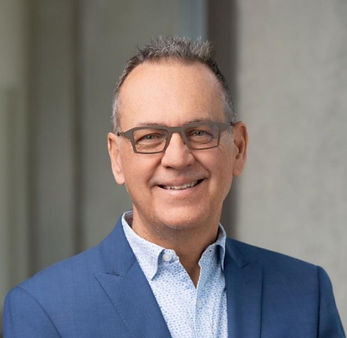
Jeffrey Hubbell
Vice President
Life Sciences and Engineering
New York University
Jeffrey A Hubbell is a pioneer in biomaterials, drug delivery, and immunoengineering, with groundbreaking work in designing materials that interact with the immune system for therapeutic applications, including vaccine development and regenerative medicine.

Zhou Yubin
Professor and Director
Chancellor EDGES Fellow
Texas A&M University
Dr. Yubin Zhou is a professor and director of the Center for Translational Cancer Research at Texas A&M University's Institute of Biosciences and Technology. His research focuses on developing programmable bioengineering tools to control cell signaling and immune function for immunotherapy. He is an elected Fellow or Member of the American Association for the Advancement of Science (AAAS), the American Institute for Medical and Biological Engineering (AIMBE), the Royal Society of Chemistry (RSC), and the National Academy of Inventors (NAI).

Li-Qun "Larry" Zhang
Professor
Director of Adv Rehab Res Training
University of Maryland
Li-Qun Zhang is a Professor in Physical Therapy & Rehabilitation Science and in Orthopaedics, University of Maryland, Baltimore, and a Professor in Bioengineering, University of Maryland, College Park, MD, USA. His research interests include conducting diagnosis, passive and active movement training, and outcome evaluations of sensorimotor impairments in stroke survivors and children with cerebral palsy using novel rehabilitation protocols and intelligent rehabilitation devices, investigation of reflex and nonreflex factors contributing to movement impairments and spasticity at the multi-joint, single-joint, and muscle fascicle and tendon levels, investigation of musculoskeletal injury mechanisms and rehabilitation/prevention of injuries, and furthermore translating research from lab to new rehabilitation protocols to improve treatment of injuries/impairments in clinical practice. He has published about 150 peer-reviewed journal articles.

Michael Daniel
Professor and University Scholar
North Carolina State University
Electrical and Computer Engineering
Biomedical Engineering
Dr. Michael Daniele is a Professor and University Faculty Scholar in Electrical and Computer Engineering and Biomedical Engineering at NC State University and UNC-Chapel Hill. He is Co-Director of the NSF Center for Advanced Self-Powered Systems of Integrated Sensors and Technologies and the NC State Institute for Connected Sensor-Systems. His research spans bioelectronics, wearable and implantable biosensors, microfluidics, and sensor technologies for biomanufacturing, with applications in personalized health, organ-on-a-chip systems, and gene and cell therapy manufacturing. He is a Fellow of the American Institute for Medical and Biological Engineering and a recipient of the NSF CAREER Award.

Ilesanmi Adesida
Donald Biggar Willett Professor of Engineering at the University of Illinois at Urbana-Champaign
Professor Ilesanmi Adesida is the Donald Biggar Willett Professor of Engineering, Professor of Electrical and Computer Engineering, and Professor of Materials Science and Engineering at the University of Illinois at Urbana-Champaign. His research interests include nanofabrication science and technology, high-speed optoelectronic devices and wide-bandgap materials and devices. Ilesanmi Adesida has been a leader on undergraduate education, graduate education, online education, faculty development, diversity, global relationships, strategic advancement and creating partnerships with industry and business leaders. A campus leader, he was a founding Director of the Micro and Nanotechnology Laboratory, Dean of the College of Engineering and then Provost. He also co-founded a technology company and has served on the board of directors of several engineering firms in addition to consulting for and serving on many advisory boards of both private and governmental bodies in and outside of the United States.

Flordeliz Bowles
Texas A&M University
School of Engineering Medicine
Flordeliz Bowles graduated from the prestigious MR program at the UT MD Anderson School of Health Professions in 2011. For over 15 years, she has worked in leading tertiary care hospitals at the Texas Medical Center, gaining extensive experience in both clinical and research settings. She is now the lead MR technologist at the Pettigrew Lab for Advanced Medical Imaging and Data Science at Texas A&M - School of Engineering Medicine, where she collaborates with physicianeers working at the intersection of patient care, technology, and discovery. When she is not in front of the MRI scanner, she is an avid foodie, tinkerer, and entrepreneur, having founded three companies with Steven, her high school sweetheart, and Shelby, her favorite shop dog by her side.
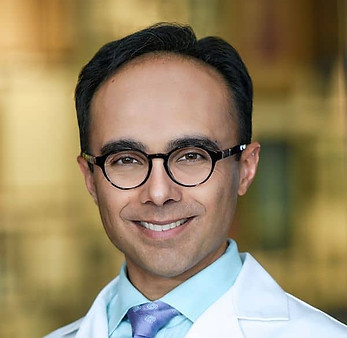
Sameer Sheth
Professor, Neurosurgeon
Director of Psychiatric Neurosurgery
Baylor College of Medicine
Sameer Sheth, MD, PhD is Professor of Neurosurgery, Cullen Foundation Endowed Chair, McNair Scholar, Vice-Chair of Clinical Research, and Director of Psychiatric Neurosurgery in the Department of Neurosurgery, Baylor College of Medicine. Dr. Sheth directs the Gordon and Mary Cain Pediatric Neurology Research Foundation Laboratories at Texas Children’s Hospital. He also holds joint appointments in the Department of Neuroscience and Department of Psychiatry & Behavioral Sciences at Baylor and is an Adjunct Professor in the Department of Electrical and Computer Engineering at Rice University. Clinically, Dr. Sheth specializes in stereotactic/functional neurosurgery, including the surgical treatment of movement disorders, epilepsy, and psychiatric disorders. He employs a combination of stereotactic and traditional open surgical techniques, including deep brain stimulation and other neuromodulation approaches, laser ablation, focused ultrasound, radiosurgery, and microsurgery, tailored to patient needs. Dr. Sheth’s research focuses on cognitive neurophysiology, using opportunities derived from his clinical work. He studies higher order human cognitive processes, including decision-making and emotional regulation, using intracranial electrophysiological recordings and non-invasive advanced imaging techniques. His lab also strives to improve neuromodulatory treatments for neurological and psychiatric disorders using surgical and non-invasive techniques. Dr. Sheth is PI or MPI of 4 active NIH research grants and a UE5 resident training grant. He has mentored numerous medical and graduate students, postdocs, residents, and fellows and published more than 250 peer-reviewed research papers.

Carolyn Meltzer
Dean
Keck School of Medicine
University of Southern California
Carolyn C. Meltzer, MD, is Dean of the Keck School of Medicine of USC, holder of the May S. and John H. Hooval Dean’s Chair in Medicine, and Professor of Radiology. A physician-scientist with expertise in neuroradiology, nuclear medicine, and PET imaging, her research has focused on brain structure and function in aging, dementia, Alzheimer’s disease, neuropsychiatric disorders, and cancer imaging. Before joining USC in 2022, she spent 15 years as Chair of Radiology and Imaging Sciences at Emory University School of Medicine and also held senior faculty leadership roles there. Earlier, she served on the faculty of the University of Pittsburgh, including as Chief of Neuroradiology. Dr. Meltzer earned her undergraduate degree from Cornell University and her MD from Johns Hopkins University School of Medicine. Her professional honors include election as an AAAS Fellow, the American College of Radiology Gold Medal, and the American Medical Association Distinguished Service Award,

Dean
Caroline Shields Walker Professor of Medicine
Harvard Medical School
George Q. Daley, MD, PhD is Dean of the Faculty of Medicine, Caroline Shields Walker Professor of Medicine, and Professor of Biological Chemistry and Molecular Pharmacology at Harvard Medical School. His research laboratory at Boston Children’s Hospital investigates stem cell and cancer biology, with a focus on hematopoietic development and diseases of the bone marrow, blood and immune system. Daley earned his AB and MD degrees from Harvard and a PhD in biology from MIT. Prior to becoming Dean at HMS, he was an investigator of the Howard Hughes Medical Institute and Director of the Pediatric Stem Cell Transplantation Program of the Dana Farber Cancer Institute and Boston Children’s Hospital. He is an elected member of the US National Academy of Sciences, National Academy of Medicine and the American Association of Arts and Sciences. https://hms.harvard.edu/faculty-staff/george-q-daley

Assistant Professor
School of Engineering Medicine (EnMed), Texas A&M University
Dr. Chandler Benjamin, PhD, is an Assistant Professor in the School of Engineering Medicine (EnMed) whose research applies continuum mechanics to understand the mechanical behavior of soft biological tissues and advanced biomaterials. His work focuses on the rheology of complex and polymeric fluids, the biomechanics of cardiovascular tissues, and the development of predictive models for tissue deformation and failure. His laboratory's current research investigates the initiation and propagation of aortic dissection—a life-threatening cardiovascular condition—as well as the viscoelastic and rheological properties of stimuli-responsive hydrogels with potential applications in tissue engineering, drug delivery, and medical devices. Combining experimental mechanics, computational modeling, and biomaterials science, Dr. Benjamin's research aims to advance both fundamental engineering knowledge and translational solutions for improving human health.

Professor of Translational Medicine and Chemical Engineering
Stanford University
Joseph M. DeSimone is the Sanjiv Sam Gambhir Professor of Translational Medicine and Chemical Engineering at Stanford University. He holds appointments in the Departments of Radiology and Chemical Engineering with courtesy appointments in the Department of Chemistry and in Stanford’s Graduate School of Business. The DeSimone laboratory's research efforts are focused on developing innovative, interdisciplinary solutions to complex problems centered around advanced polymer 3D fabrication methods. In Chemical Engineering and Materials Science, the lab is pursuing new capabilities in digital 3D printing, as well as the synthesis of new polymers for use in advanced additive technologies. In Translational Medicine, research is focused on exploiting 3D digital fabrication tools to engineer new vaccine platforms, enhanced drug delivery approaches, and improved medical devices for numerous conditions, with a current major focus in pediatrics. Complementing these research areas, the DeSimone group has a third focus in Entrepreneurship, Digital Transformation, and Manufacturing. Before joining Stanford in 2020, DeSimone was a professor of chemistry at the University of North Carolina at Chapel Hill and of chemical engineering at North Carolina State University. He is also Co-founder, Board Chair, and former CEO (2014 - 2019) of the additive manufacturing company, Carbon. DeSimone is responsible for numerous breakthroughs in his career in areas including green chemistry, medical devices, nanomedicine, and 3D printing. He has published over 350 scientific articles and is a named inventor on over 200 issued patents. Additionally, he has mentored 80 students through Ph.D. completion in his career, half of whom are women and members of underrepresented groups in STEM. In 2016 DeSimone was recognized by President Barack Obama with the National Medal of Technology and Innovation, the highest U.S. honor for achievement and leadership in advancing technological progress. He has received numerous other major awards in his career, including the U.S. Presidential Green Chemistry Challenge Award (1997); the American Chemical Society Award for Creative Invention (2005); the Lemelson-MIT Prize (2008); the NIH Director’s Pioneer Award (2009); the AAAS Mentor Award (2010); the Heinz Award for Technology, the Economy and Employment (2017); the Wilhelm Exner Medal (2019); the EY Entrepreneur of the Year Award (2019 U.S. Overall National Winner); and the Harvey Prize in Science and Technology (2020). He is one of only 25 individuals elected to all three branches of the U.S. National Academies (Sciences, Medicine, Engineering). DeSimone received his B.S. in Chemistry in 1986 from Ursinus College and his Ph.D. in Chemistry in 1990 from Virginia Tech. Education Ph.D., Virginia Tech, Chemistry (1990) B.S., Ursinus College, Chemistry (1986)
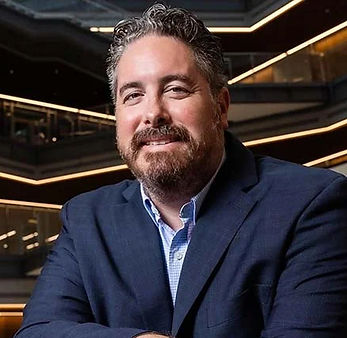
Dr. Michael King
President of the American Institute for Medical and Biological Engineering (AIMBE)
Dr. Michael King is a national leader in the field of biomedical engineering and an expert in the following research areas: the adhesion and transport of circulating cells; cellular delivery of anti-cancer therapeutics in the bloodstream; the mechanotransduction of cancer and immune cells in shear flow; and the development of 3D in vitro models of bloodborne metastasis. Dr. King completed a PhD in chemical engineering at the University of Notre Dame and postdoctoral training in bioengineering at the University of Pennsylvania. He has written textbooks on the subjects of statistical methods and microchannel flows, and has received several awards including the NSF CAREER Award, Outstanding Research Awards from the American Society of Mechanical Engineers and the American Society of Clinical Chemistry, and was a James D. Watson Investigator of New York State. King is a Fellow of the American Institute of Medical and Biological Engineering (AIMBE), Biomedical Engineering Society (BMES), International Academy of Medical and Biological Engineering (IAMBE), American Association for the Advancement of Science (AAAS), and the National Academy of Inventors (NAI), and served as founding Vice President of the International Society of Bionic Engineering. Since 2013 he has been the Editor-in-Chief of Cellular and Molecular Bioengineering, an official journal of the BMES. He previously served as Chair of the BME Council of Chairs, and most recently as the Chair of the AIMBE College of Fellows. Prior to joining the Rice faculty in 2024, Michael R. King was the J. Lawrence Wilson Professor and Department Chair of Biomedical Engineering at Vanderbilt University. Before that he was the Daljit S. and Elaine Sarkaria Professor at Cornell University, and he started his faculty career at the University of Rochester.

Dr. Tsu-Jae Liu
President of the National Academy of Engineering (NAE)
Tsu-Jae Liu is the President of the National Academy of Engineering. A distinguished engineer and academic leader, she earned her B.S., M.S., and Ph.D. in electrical engineering from Stanford University. In 1996, she joined the faculty of the Department of Electrical Engineering and Computer Sciences at the University of California, Berkeley, where she has served in a range of administrative leadership roles, most recently as Dean of the College of Engineering from July 2018 through June 2025. Liu is renowned for her contributions to microelectronics, including co-developing the FinFET transistor design that is used in all leading-edge computer chips and smartphones today. She has authored more than 550 publications and holds 97 U.S. patents. Her honors and recognitions include DARPA’s Significant Technical Achievement Award, the Global Semiconductor Alliance’s Dr. Morris Chang Exemplary Leadership Award, and the IEEE Electron Devices Society Education Award. Liu is a Fellow of the IEEE and the National Academy of Inventors and was inducted into the U.S. National Academy of Engineering in 2017. She has served on the Boards of Directors for Intel Corporation and MaxLinear Inc. and has contributed nationally as an advocate for domestic microelectronics workforce development and as a member of advisory committees for the National Science Foundation, the National Institute of Standards and Technology, and the President’s Council of Advisors on Science and Technology.

Dr. Michael Moreno
Associate Professor of Mechanical Engineering and J. Mike Walker '66 Faculty Fellow, Texas A&M University
Dr. Moreno is the Associate Professor of Mechanical Engineering and J. Mike Walker '66 Faculty Fellow at Texas A&M University. Dr. Moreno is active in several professional organizations and currently serves as Chair of the ASME Bioengineering Division Design, Dynamics, and Rehabilitation Committee. Dr. Moreno also serves as Director for the Engineering World Health Summer Institute in Rwanda.

Dr. Barbara J. Stoll
Executive Vice President, CMB Foundation
An internationally known pediatrician and a champion of pediatric global health, Dr. Barbara J. Stoll served as the first woman dean of McGovern Medical School from Oct. 1, 2015 to June 30, 2020. During her tenure as dean, Dr. Barbara J. Stoll oversaw extraordinary growth in the Medical School size and research initiatives and the transformation of educational programs. The faculty increased by 13 percent and research expenditures grew by 26 percent from $133M to $168M, which importantly reflected an increase in the number of NIH grants by 83 percent from 145 to 266. The extraordinary expansion and development of new programs was uniquely enabled by the transformational McGovern gift, an enduring and powerful legacy that was initiated during her tenure. As dean at McGovern Medical School, Stoll oversaw the introduction of a newly integrated curriculum for the education of medical students and fostered novel educational and scientific collaborations with Rice University. Stoll played an integral role in the Medical School’s clinical operations, promoting our community efforts in providing safety-net care and expanded our role in addressing the broader issue of social determinants of health. Respectful of all voices, Stoll championed the Women Faculty Forum, the Arts and Resilience Program, the Medical School Advisory Council, and kept in weekly contact with her constituents through an email newsletter, where she routinely tackled tough issues, often those affecting most directly children or other vulnerable populations, such as gun violence, immigration, racism, and gender inequality. Another important additional effort toward ensuring McGovern’s successful future was her recruitment of new chairs in the departments of Neurobiology and Anatomy, Anesthesiology, Pediatrics, and Emergency Medicine. Stoll joined UTHealth from Emory University School of Medicine, where she spent the previous decade as the George W. Brumley, Jr., Professor and Chair of the Department of Pediatrics. She also served as the president and CEO of the Emory-Children’s Center and director of the Pediatric Center of Georgia, a joint venture between Emory and Children’s Healthcare of Atlanta. She has authored more than 290 papers and has been continuously funded by the National Institutes of Health since 1991. She is the 2016 recipient of the John Howland Award, the highest honor bestowed by the American Pediatric Society. Stoll received her MD degree from Yale Medical School (external link), graduating Cum Laude. Additional training included a pediatric internship and residency at Babies Hospital, Columbia Presbyterian Medical Center and a neonatology fellowship at Emory University School of Medicine. She received her AB degree from Barnard College.

Dr. Lihong Wang
Chair of Medical Engineering
Caltech
Dr. Wang, Bren Professor of Medical Engineering and Electrical Engineering; Andrew and Peggy Cherng Medical Engineering Leadership Chair; Executive Officer for Medical Engineering. Professor Wang's research focuses on biomedical imaging. In particular, his lab has developed photoacoustic imaging that allows peering noninvasively into biological tissues. Compared to conventional optical microscopy, his techniques have increased the penetration by nearly two orders of magnitude, breaking through the optical diffusion limit. The Wang lab has invented or discovered functional photoacoustic tomography, 3D photoacoustic microscopy, optical-resolution photoacoustic microscopy, photoacoustic Doppler effect, photoacoustic reporter gene imaging, microwave-induced thermoacoustic tomography, universal photoacoustic reconstruction algorithm, time-reversed ultrasonically encoded optical focusing, and compressed ultrafast photography (world's fastest camera capable of 10 trillion frames per second). Combining rich optical contrast and scalable ultrasonic resolution, photoacoustic imaging is the only modality capable of providing multiscale high-resolution structural, functional, metabolic, and molecular imaging of organelles, cells, tissues, and organs as well as small-animal organisms in vivo. Broad applications include early-cancer detection, surgical guidance, and brain imaging. For example, it can help surgeons effectively remove breast cancer lumps, reducing the need for follow-up surgeries. Professor Wang's Monte Carlo model of photon transport in scattering media is used worldwide as a standard tool.

Balakrishna Haridas
Professor of Practice, Texas A&M Biomedical Engineering, Deputy Executive Director FDA Southwest Pediatric Devices Innovation Consortium (SWPDC)
Balakrishna Haridas is the Deputy Executive Director of the Southwest National Pediatric Device Innovation Consortium (SWPDC) at Texas A&M University. In this role, he supports the development and translation of innovative medical devices designed specifically for pediatric populations — an historically underserved area in medical device development. His work bridges engineering, clinical needs, and regulatory pathways to help bring child-focused medical technologies from concept to commercialization. He has expertise in biomedical engineering, project management, and fostering collaboration between academic researchers, clinicians, and industry partners to address unmet needs in children's healthcare.

Randall Wright
Houston Methodist
Medical Director for Brain Wellness
Houston Methodist
Randall Wright is a neurologist affiliated with Houston Methodist, known for his expertise in brain health, cognitive neurology, and preventive neurology. He is a noted communicator and educator in the field of brain wellness and neurological disease prevention.

Shrikanth Narayanan
Professor, Niki & C.L. Max Nikias Chair
in Engineering
University of Southern California
Shrikanth (Shri) Narayanan is University Professor and Niki & C. L. Max Nikias Chair in Engineering at the University of Southern California (USC), where he is Professor of Electrical & Computer Engineering, Computer Science, Linguistics, Psychology, Music, Neuroscience, Pediatrics, and Otolaryngology—Head & Neck Surgery, Director of the Ming Hsieh Institute and Research Director of the Information Sciences Institute. Prior to USC, he was with AT&T Bell Labs, Murray Hill and AT&T Research, Florham Park. His interdisciplinary research focuses on human-centered sensing/imaging, signal processing, and machine intelligence centered on human communication, interaction, emotions, and behavior. He is a member of the US National Academy of Engineering and a Fellow of the National Academy of Inventors, Acoustical Society of America, IEEE, ACM, International Speech Communication Association (ISCA), the American Association for the Advancement of Science, the Association for Psychological Science, the Association for the Advancement of Affective Computing, and the American Institute for Medical and Biological Engineering (AIMBE). He has published widely and his inventions have led to technology commercialization including through startups he co-founded: Synaptic Bloom focused on digital twins for neurodevelopment and aging, Behavioral Signals Technologies focused on AI based conversational assistance and Lyssn focused on mental health care and quality assurance.

Samuel Achilefu
Inaugural Chair of the
Biomedical Engineering Department
UT Southwestern Medical Center
Samuel Achilefu is a professor and the inaugural chair of the Biomedical Engineering Department. Renowned for his work in molecular imaging, optical radiology, and cancer diagnostics. He developed cancer-visualizing glasses used in surgery and has been recognized as the first African-born president of the World Molecular Imaging Society. He is a recipient of the St. Louis Award and numerous other honors.

Roger Boodoo
Chief Medical Officer, HOPPR
Commander, U.S. Navy (Retd)
Roger Boodoo, MD, is a physician executive, diagnostic radiologist, clinical informaticist, and combat veteran with expertise spanning military medicine, healthcare transformation, and artificial intelligence. As Chief Medical Officer of HOPPR, he leads clinical strategy for multimodal and generative AI technologies in medical imaging. Dr. Boodoo began his career as a U.S. Navy Hospital Corpsman and later served as a battalion surgeon with U.S. Marine Corps infantry forces during Operation Iraqi Freedom. Over more than two decades of military service, he held senior leadership roles in radiology, imaging informatics, and innovation, including Chief of Innovation for the Defense Health Agency. Board-certified in Diagnostic Radiology and Clinical Informatics, he remains an actively practicing radiologist focused on advancing technologies that support safer, faster, and better-informed clinical decisions.

Tianbao Yang
Stephen Horn ’79 Engineering Excellence Chair and Professor
Computer Science and Engineering
Texas A&M University
Tianbao Yang is a Professor and Stephen Horn '79 Engineering Excellence Chair at CSE department of Texas A&M University, where he directs the lab of Optimization for Machine learning and AI (OptMAI Lab). His research interests center around optimization, machine learning and efficient AI with applications in medicine. Before joining TAMU, he was an assistant professor and then tenured Dean's Excellence associate professor at the Computer Science Department of the University of Iowa from 2014 to 2022. Before that, he worked in Silicon Valley as Machine Learning Researcher for two years at GE Research and NEC Labs. He received the Best Student Paper Award of COLT in 2012, and the NSF Career Award in 2019.

Mary Pat Moyer
Donald Biggar Willett Professor of Engineering at the University of Illinois at Urbana-Champaign
Mary Pat Moyer is a distinguished biomedical scientist, entrepreneur and manager with more than five decades of experience in biomanufacturing clinical and research-use products for regenerative medicine and infectious diseases. At INCELL Corporation, she leads the development of innovative products, focusing on human cells, tissues, cell culture, human cellular and tissue-based products, and FDA-registered facilities. Moyer’s notable accomplishments include leading two INCELL-sponsored Investigational New Drug applications for cell therapies to treat amyotrophic lateral sclerosis, showcasing the first-ever successful treatment that improved disease symptoms. Her expertise spans human cell therapies, infectious diseases, microbiology, virology and cancer disease mechanisms, as well as sponsorship, development, manufacturing, testing, preclinical and clinical studies, and commercialization of new products. She received her Ph.D. from The University of Texas at Austin. Moyer is a member of the National Academy of Engineering and a fellow of the American Academy of Microbiology. Honors include the Ernst & Young Entrepreneur of the Year, the Breaking the Glass Ceiling Award from the American Association of University Women and the Athena International Award for Women in Leadership. She has authored 15 books or book chapters, more than 220 peer-reviewed articles and 12 Drug and Device Master Files for the Food and Drug Administration, which provide confidential detailed information about the facilities, processes or articles used in the manufacturing of drugs and medical devices; she also holds three patents. Moyer will collaborate with faculty and students in the College of Medicine.

Cynthia A Reinhart-King
Jon W. Cox Professor
Chair, Dept of Bioengineering
Rice University
Cynthia Reinhart-King is the John W. Cox Professor and Department Chair in the Department of Bioengineering at Rice University. Before joining Rice, she was a University Distinguished Professor in Biomedical Engineering and Cell and Developmental Biology at Vanderbilt University, where she also served as Senior Associate Dean for Research in the School of Engineering. She obtained undergraduate degrees in Chemical Engineering and Biology at MIT and her PhD at the University of Pennsylvania in the Department of Bioengineering. Her lab’s research interests are cell and tissue mechanobiology in cancer and atherosclerosis. She was awarded the Rita Schaffer Young Investigator Award, the inaugural Mid-Career Award, and the Herb Voigt Service Award from the Biomedical Engineering Society, an NSF CAREER Award, the Sonny Yau ‘72 Excellence in Teaching Award, the Cornell University Cook Award and the Zellman Warhaft Award from the Cornell College of Engineering, the Vanderbilt Chancellor’s Award for Research and the Edward J. White Service Award from the Vanderbilt University School of Engineering. She is a fellow of the Biomedical Engineering Society, the American Institute for Medical and Biological Engineering (AIMBE), and the International Academy of Medical and Biological Engineering, and she was an inaugural New Voices Fellow of the National Academies of Science, Engineering and Medicine. She served as a standing member of the NIH CMT study section panel, an elected Board Member of AIMBE, Secretary and Elected Board member of BMES, and Chair of the Diversity and Inclusion Committee of AIMBE. She is the Past-President of the Biomedical Engineering Society.

Dan Sodickson
Chief Medical Scientist
Function Health
Dr. Sodickson is a physicist in medicine who has devoted his career to developing new ways of seeing. The technologies he has developed, including parallel MRI and more recently AI-driven imaging methods, have been used to guide the care of billions of people around the world. He is a past president and gold medalist of the International Society for Magnetic Resonance in Medicine, a fellow of the U.S. National Academy of Inventors, and a member of the national advisory council for the National Institute of Biomedical Imaging and Bioengineering. After beginning his career at Harvard and MIT (1996-2006), he served for many years as Vice Chair for Research (2009-2022) then as Chief of Innovation (2022-2025) in the Department of Radiology at NYU Grossman School of Medicine. In December of 2025, Dr. Sodickson joined the proactive health company Function Health as its Chief Medical Scientist. His book entitled The Future of Seeing, which explores the rich history and surprising future of imaging, appeared in October of 2025.